Custom Landscaping Ideas with Water Saving Features in Santa Ana CA
Santa Ana homeowners have a very specific landscaping problem to solve. They want yards that look intentional and attractive, but they also live with long dry stretches, rising water costs, hot reflected heat from pavement, and city lots that often do not have much room to waste. A landscape that drinks heavily and still looks tired by August is not much of an asset. In this part of Orange County, good landscaping service in santa ana design has to do more than decorate a property. It has to manage heat, control runoff, reduce maintenance, and stay appealing through the hardest months of the year.
That is where custom landscaping ideas make the biggest difference. A well-designed yard in Santa Ana should not look like a stripped-down compromise made only to save water. It should feel tailored to the house, the sun exposure, the way the family moves through the property, and the amount of upkeep the owner can realistically handle. The best projects I have seen do not start with a plant list. They start with the site itself: where the afternoon sun hits hardest, where runoff pools near the walk, where the old lawn struggles, and where outdoor living space would actually get used.
Water-saving landscapes also tend to perform better visually over time. Traditional thirsty lawns and soft annual color can look great right after installation, then begin to decline once irrigation gets cut back or summer stress hits. By contrast, drought resistant landscaping that is planned correctly often matures into a cleaner, more confident look. The bones stay strong because the structure comes from grading, hardscaping, plant grouping, and shade rather than constant irrigation.
What works in Santa Ana, and what usually fails
Santa Ana sits in a climate where mild winters can fool people into planting for spring beauty alone. Then summer arrives, reflected heat builds off driveways and stucco walls, and that same landscape starts to show stress. This is especially common in front yard landscaping, where broad areas of turf and scattered shrubs are asked to survive on irrigation patterns that were never adjusted for changing weather.
The projects that fail usually have one or more of the same issues. Plants are chosen because they looked good at a nursery in coastal weather, not because they can handle an inland warm pocket. Irrigation is laid out uniformly even though sun exposure is not uniform. Decorative gravel gets spread everywhere without enough plant mass or shade, creating a yard that runs hot and feels barren. Or the design relies on too many small features, too many materials, and too many plant varieties, so the space never settles into a coherent style.
The ones that work are landscaping resources more disciplined. They reduce turf substantially or remove it entirely. They create shaded pockets where people actually spend time. They use hardscaping to organize movement and lower maintenance. They group plants by water need instead of mixing everything together. They improve soil where needed and direct runoff into places where it can be absorbed rather than pushed into the street.
None of that has to look severe. Some of the most successful yards in Santa Ana have a soft, layered feel. The difference is that softness comes from grasses, sculptural shrubs, decomposed granite paths, permeable pavers, and trees that cast real shade, not from a high-water lawn doing all the visual work.
Start with the ground, not the plants
When homeowners talk about santa ana landscaping services Ridgeline Outdoor Living water-saving design, they usually ask about plant choices first. Plants matter, but the ground plane matters more. If the layout of surfaces is wrong, even the best plant palette will struggle.
A front yard that slopes toward the sidewalk can often be reworked to capture some runoff in shallow basins around trees and planting zones. A side yard that gets baked by reflected heat may need a permeable path and larger shrubs before it needs flowers. A backyard with compacted soil may need amendment and drainage correction before any irrigation schedule can be effective.
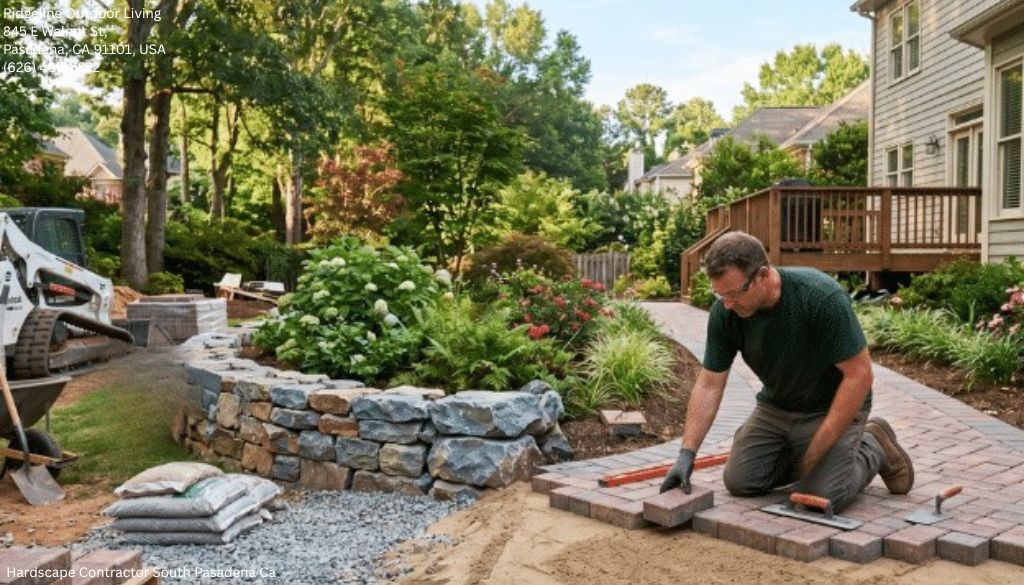
This is where hardscaping earns its place. Hardscaping is not only decorative stone or a new patio. It includes the practical framework that makes water-wise landscapes usable and durable. Seat walls, paver walkways, gravel stabilizers, low retaining walls, steppers set in mulch, and permeable surfaces all help reduce high-maintenance areas while giving the yard shape. In many Santa Ana properties, especially older ones, adding structure through hardscaping is what allows a landscape to transition away from turf without looking unfinished.
I have seen small front yards transformed simply by narrowing an oversized lawn, adding a defined walkway, and using dry creek detailing to catch runoff from a downspout. The water savings came from less irrigated area, but the visual improvement came from giving the yard a stronger composition.
The strongest water-saving front yards rarely feel empty
People often worry that replacing lawn means the front yard will look sparse. That happens when a project removes green area but does not replace it with enough form, height, and texture. Water-saving landscapes need layers just as much as traditional ones do.
A good front yard landscaping plan in Santa Ana usually includes a clear path to the entry, a focal point visible from the street, mid-height plant massing, and at least one element that softens the house line. That could be a small multi-trunk tree, a sculptural agave placed carefully rather than overused, or a grouping of grasses that catch light in the morning. The idea is not to fill every inch. The idea is to make the space feel designed.
One front yard approach that works especially well on modest lots is to divide the landscape into visual zones. The entry walk becomes one zone, planted more neatly and with stronger year-round form. The area near the driveway can handle tougher, lower plantings and more mineral material because of reflected heat. The section closest to the house can carry slightly lusher material if it benefits from shade or roof santa ana landscaping services runoff. This kind of zoning makes irrigation easier too, because each area can be watered according to its actual need.
Custom landscaping ideas become meaningful when they respond to these conditions instead of fighting them. A shaded porch garden can support finer texture and more layered planting than a hellstrip by the curb. Pretending both spaces need the same treatment usually leads to wasted water and uneven performance.
Plants that earn their place
A water-wise palette for Santa Ana should combine durability with visual range. Homeowners often hear the same short list of drought-tolerant plants repeated, but relying on a few clichés tends to flatten the design. The better strategy is to use a broad mix of plant forms while keeping water needs compatible.
Shrubs such as westringia, Texas sage, dwarf rosemary, and certain cistus varieties can create strong evergreen structure. Grasses like deer grass or pink muhly add movement and soften the harder lines of paving. Accents such as aloe, red yucca, or carefully placed agave provide sculptural interest without needing to dominate the entire yard. Trees matter most of all. A well-placed desert willow, olive, or another climate-appropriate low-water tree can reduce heat load dramatically once established.
There is always a trade-off between neatness and habitat value. Very clipped, tightly controlled plantings tend to look formal and can suit certain homes beautifully, but they often require more maintenance and sometimes more water. Looser, naturalistic planting styles can support pollinators and feel cooler, but they need enough room to avoid looking messy. The right answer depends on the architecture of the house, the neighborhood context, and how involved the homeowner wants to be.
Seasonal color is still possible. It just needs to come from the right sources. Many flowering perennials and Mediterranean-climate shrubs provide intermittent bloom without demanding the water budget of annual bedding displays. The key is to accept rhythm instead of constant peak performance. A smart drought resistant landscaping plan looks strong all year and then has moments of extra bloom, rather than trying to force nonstop color in a dry climate.
Irrigation is where many good designs go bad
A beautiful planting plan can be undermined quickly by poor irrigation layout. In Santa Ana, this is common after quick lawn conversions where the old spray system is left mostly intact and the new landscape is expected to adapt.
Spray heads that throw water onto paving are wasteful and often produce uneven coverage in narrow planting areas. Drip irrigation is usually the better fit for water-wise beds, but it has to be installed thoughtfully. Plant spacing matters. Soil type matters. Exposure matters. A newly planted five-gallon shrub does not have the same root spread or establishment needs as a mature specimen two years later.
The irrigation controller also needs seasonal adjustment. Many landscapes are overwatered simply because no one changes the schedule after installation. That is especially true for homeowners who are nervous about losing new plants and respond by watering too often. In our climate, deep and less frequent watering generally develops stronger root systems than shallow daily cycles. Exact timing depends on soil and plant type, but frequency matters as much as duration.
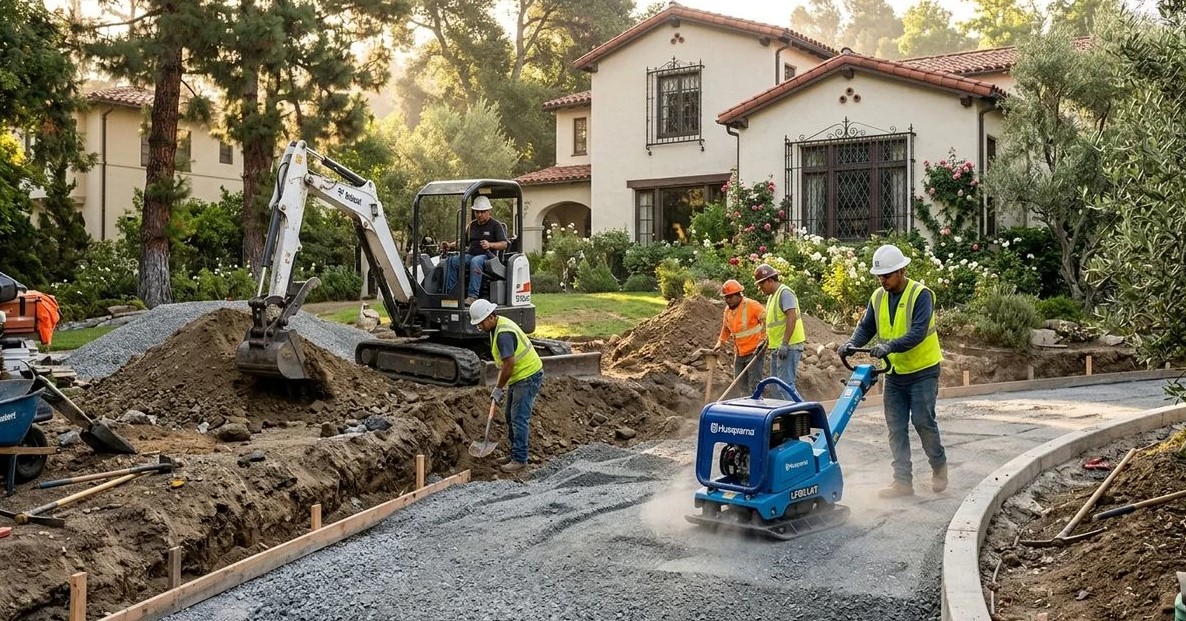
Here are the irrigation principles that save the most water without stressing the landscape:
- Match emitters and scheduling to plant zones, not to convenience.
- Reduce watering frequency as plants establish, instead of keeping the installation schedule forever.
- Use pressure regulation and filtration where needed so drip systems perform consistently.
- Check coverage after planting growth fills in, because mature canopies change distribution and access.
- Avoid irrigating decorative rock or bare paving, which happens more often than homeowners realize.
A simple audit each spring can catch most problems before summer demand increases. I have seen properties cut water use noticeably just by capping a few unnecessary heads, separating sun and shade zones, and reprogramming the controller to reflect actual weather.
Permeable surfaces do more than save runoff
A surprising amount of landscape water waste begins as hard runoff. Traditional concrete and tightly compacted surfaces shed water quickly, especially during winter storms or heavy irrigation cycles. On small Santa Ana lots, that runoff often ends up in the street before the soil gets any benefit.
Permeable pavers, stabilized decomposed granite, gravel set with proper edging, and other porous materials slow this process down. They allow water to infiltrate and reduce puddling. They also tend to lower glare and surface heat compared with large uninterrupted concrete areas. That matters in front yards where heat bouncing off a driveway can cook nearby plants and make the entry feel harsher than it needs to.
This is another place where hardscaping and water savings overlap naturally. A permeable path across a front yard does not just look good. It can reduce compaction, improve access for maintenance, and help stormwater soak into adjacent planting areas. A small sitting court in the backyard built with permeable pavers can replace a thirsty patch of lawn while giving the family a place they will actually use.
For homes with drainage challenges, shallow swales and dry creek features can work well if they are done with restraint. When they are overdecorated, they look forced. When they follow the natural movement of water and are sized appropriately, they can be both practical and attractive. One modest swale lined with cobble and framed by grasses can solve a recurring soggy spot more elegantly than a larger decorative feature that does not fit the yard.
Outdoor living can reduce water demand if it is planned honestly
Many homeowners remove lawn because they are tired of paying to maintain space no one uses. That creates an opportunity, but only if the replacement is functional. A patio tucked into the hottest corner of the yard without shade often goes unused by midsummer. A narrow side-yard seating area near the kitchen may see far more real life.
The smartest custom landscaping ideas usually tie water savings to behavior. If a family likes to eat outside, provide a shaded dining area on a durable surface and reduce irrigation elsewhere. If children need room to play, consider a smaller, more efficient green area or a flexible open surface instead of defaulting to wall-to-wall turf. If a homeowner gardens as a hobby, reserve one visible zone for higher-touch planting and keep the rest leaner and easier to manage.
One project that stays in my mind involved a typical suburban Santa Ana backyard with a worn lawn, poor drainage by the rear patio, and a couple who said they wanted a low-water yard but still “something welcoming.” The best solution was not exotic. We kept a small soft area near the patio edge, added a shade structure, replaced the rest with permeable paving and broad planted borders, and directed runoff into a basin around a new tree. Their water use dropped, but what really changed was that they started using the yard four evenings a week. The landscape became more valuable because it fit their habits, not because it followed a trend.
How to balance style with long-term maintenance
A water-wise landscape still has to be maintained. The idea that drought tolerant means no maintenance is one of the more expensive misunderstandings in this industry. The maintenance profile changes, that is all.
Lawn mowing may disappear, but pruning, irrigation checks, weeding, mulch refresh, and seasonal cleanup remain part of the picture. Gravel-heavy landscapes with sparse planting can actually invite weeds if there is too much exposed surface. Fast-growing shrubs placed too close together can turn a clean design into a pruning burden within three years. Succulents can rot if irrigation is not adjusted properly or if drainage is poor around the root zone.
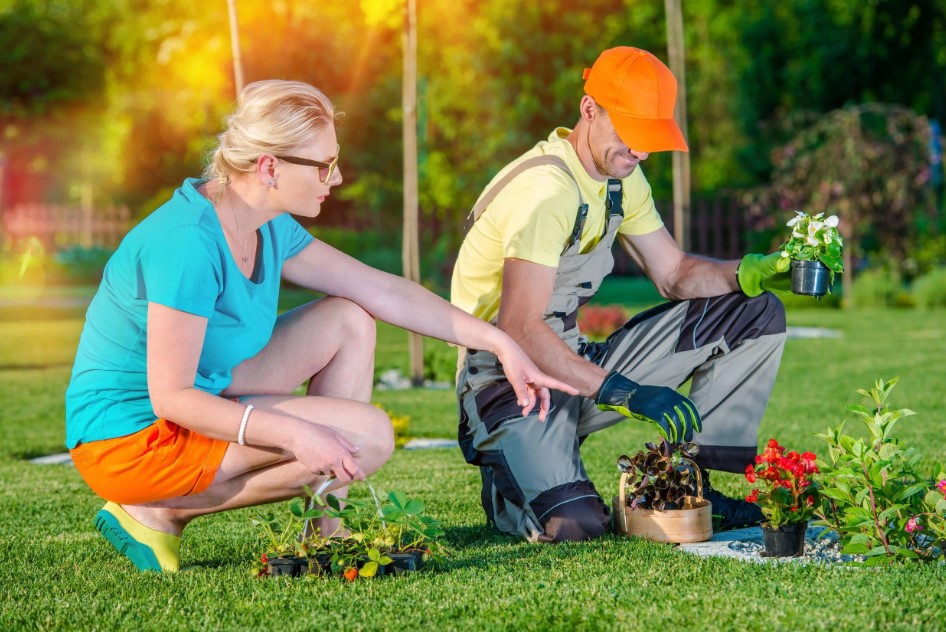
This is why plant spacing and growth habit deserve so much attention at the start. A one-gallon plant can look tiny on installation day, which tempts people to overplant. By year three or four, that same bed may be crowded and hard to manage. Strong design often requires patience. Leaving appropriate space between plants can make a new landscape look restrained at first, but it usually ages better and uses less water.
For clients who want a polished look without constant care, I often lean toward a limited palette repeated in larger groupings. Repetition calms the design, simplifies irrigation, and makes maintenance more predictable. For clients who enjoy seasonal change and are willing to spend more time in the garden, a more layered planting scheme can be rewarding. Neither approach is superior in every case. The right choice depends on the homeowner’s expectations after the install crew leaves.
Mistakes that cost more than they save
Some cost-cutting moves look reasonable at first and create problems later. Removing lawn without improving soil or adjusting drainage is a common one. So is installing bargain weed barrier under decorative rock across the entire yard. In practice, those barriers often complicate future planting, trap debris on the surface, and still do not eliminate weeds.
The mistakes I would watch for most closely are these:
- Choosing plants for appearance alone without checking mature size and sun tolerance.
- Treating every zone of the yard as if it needs the same irrigation schedule.
- Covering large areas with rock but too little plant mass, which can raise surface temperatures.
- Ignoring shade, especially on west-facing exposures.
- Spending heavily on finishes while neglecting grading, drainage, and soil preparation.
The hidden truth is that invisible work often gives the best return. Proper slope, root zone preparation, efficient valves, and a smart controller are not glamorous line items, but they determine whether the landscape performs well through repeated Santa Ana summers.
A practical path for homeowners planning a remodel
If you are considering a redesign, start by observing the property before making material or plant decisions. Watch where the sun lands in late afternoon. Notice whether downspouts dump water onto paving. Look at which parts of the lawn or planting beds already struggle. Think about where you actually walk, sit, store bins, or entertain. These are not small details. They shape the entire plan.
Then think in terms of water budget rather than simple plant replacement. Reducing turf area, improving hardscaping layout, adding shade, selecting regionally appropriate plants, and upgrading irrigation all work together. One without the others can still help, but the strongest results come from combining them.
For front yard landscaping, curb appeal matters, but so does day-to-day function. The yard should welcome visitors, frame the house, and stay clean-looking with realistic maintenance. For backyards, usability often matters more than showiness. A smaller, better-used outdoor room usually beats a larger underperforming lawn.
Custom landscaping ideas are most valuable when they solve local problems with local judgment. In Santa Ana, that means respecting heat, conserving water, and creating outdoor spaces that still feel generous. The goal is not to make a yard look austere or purely utilitarian. The goal is to build a landscape that belongs here, holds up well, and keeps its character without asking for more water than the climate can comfortably support.